People still think ChatGPT is a clever place to ask questions. That belief is already outdated.
This week, OpenAI pushed ChatGPT closer to becoming an operating layer for the internet by launching its App Directory and opening up its SDK. This wasn’t a cosmetic update. It quietly reframed how software, services, and users interact inside a single interface. Instead of jumping between tabs, tools, and dashboards, actions now happen inside conversation.
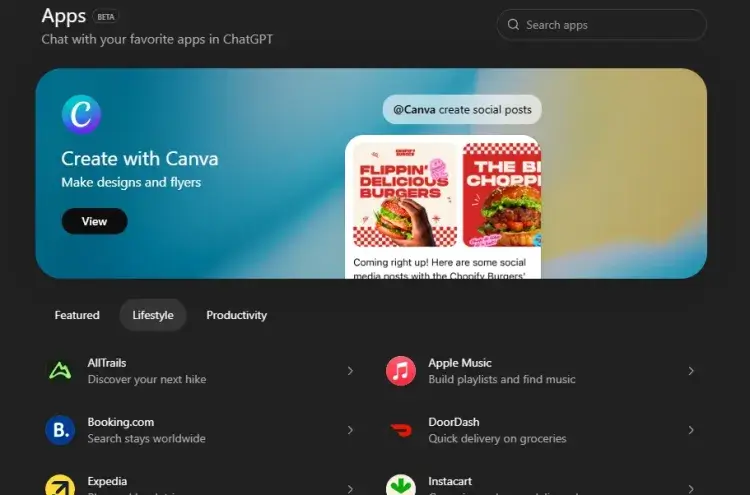
The new App Directory lets users browse tools that run directly inside ChatGPT’s UI. What used to be called “connectors” now sits under a simpler idea: apps. File search apps pull from Google Drive or Dropbox. Deep research apps fetch structured information. Sync apps stay updated in the background. If Memory is enabled, these apps can even reference long-term context. That detail matters because it shifts ChatGPT from reactive replies into persistent workflows, something productivity software has chased for years.
The bigger signal is interactivity. Spotify, Zillow, and others laid the groundwork, but the newer additions reveal the direction. Apple Music now lets users discover tracks, build playlists, and manage libraries without leaving chat. DoorDash turns meal ideas into an actual shopping cart. Spotify inside ChatGPT now works across the UK and EU. Conversation is becoming the front door to execution.
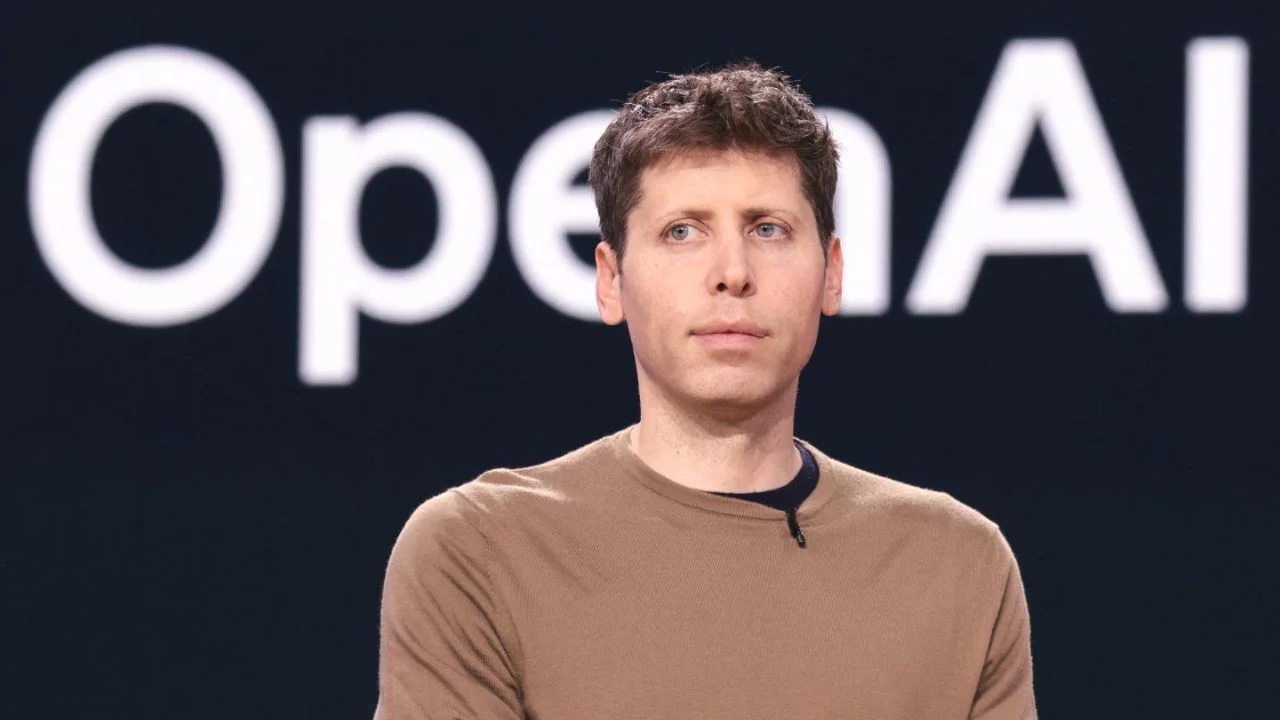
This is how “everything apps” are built. Not by copying super-apps, but by collapsing intent and action into one surface. Sam Altman hinted at this months ago when he spoke about building the obvious features of a robust platform over time. An app store was inevitable. Platforms attract developers. Developers bring utility. Utility creates gravity.
What hasn’t been spelled out yet is the business model. OpenAI has only said it’s testing monetization paths like digital goods while observing how users and builders behave. That silence is strategic. App ecosystems only work when value shows up before toll booths. Apple learned that. So did Google. Now OpenAI is following the same playbook, just inside language instead of screens.
For builders, this opens a new distribution channel that doesn’t rely on app installs or SEO alone. For users, it means fewer tools and more outcomes. For content creators and founders tracking AI platform shifts, this is the moment where ChatGPT stops being a destination and starts acting like infrastructure.
If you’re mapping where AI tools, workflows, and discovery are heading next, keep an eye on how apps inside ChatGPT evolve—and how quickly people stop opening standalone software. For deeper breakdowns on emerging AI platforms and tool ecosystems, explore more at https://itirupati.com and compare how this mirrors earlier platform cycles documented by sources like TechCrunch and The Verge. The interface you talk to may soon be the only one that matters.