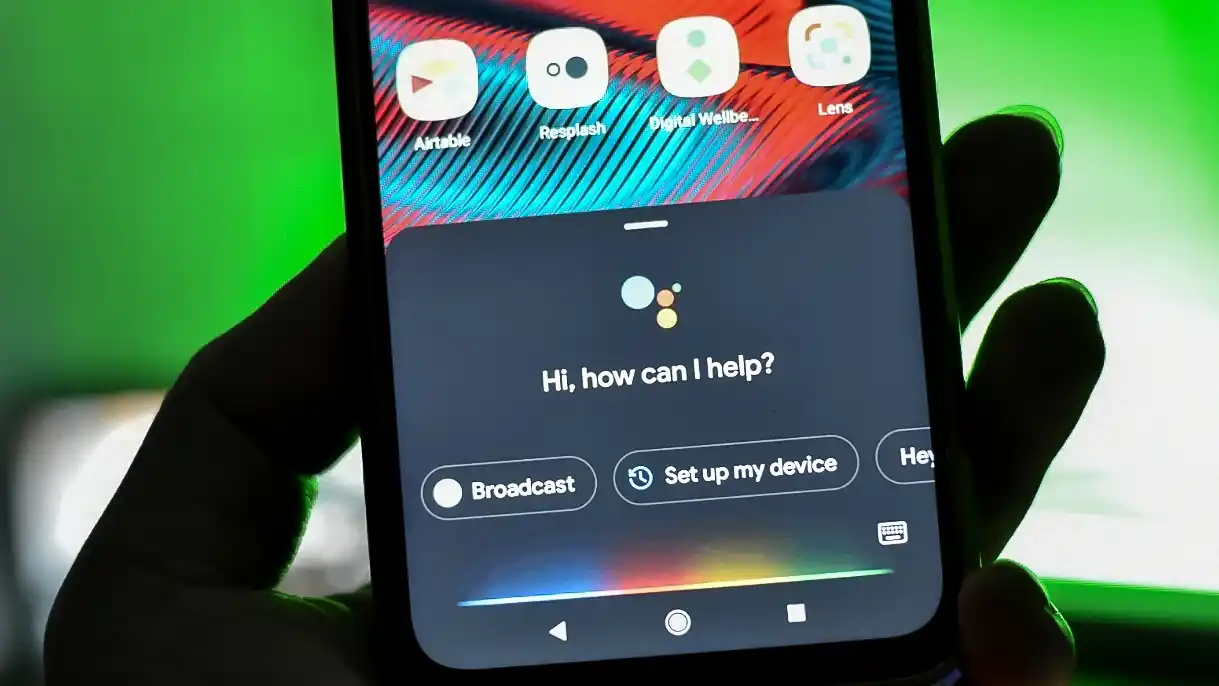
Most people think that when a big tech company announces a switch to a new assistant, the old one vanishes overnight. But that’s not how Google is rolling out its latest shift in mobile experiences.
Google has officially pushed back the transition from Google Assistant to Gemini on Android devices into 2026, even though the original plan was to complete the switch by the end of 2025.
This isn’t a simple deadline shuffle — it reveals how Google is treating a major AI transition. Assistant has been Google’s digital help on Android, Wear OS, and smart home devices for years. Instead of forcing everyone to drop it this year, Google says it needs more time to make the user experience smooth.
For Android users, that means Assistant stays functional well into next year, especially on phones and tablets that meet hardware requirements. Once the switch is finally complete, Assistant will disappear from devices that support the newer system and won’t be available for new downloads.
What’s already started gives hints about the strategy: Gemini isn’t just rolling out at once — it’s arriving first on other surfaces like Wear OS smartwatches, Android Auto platforms, and Google Home gear. This phased rollout suggests Google wants more than voice commands — it wants context-aware, deeper assistive features across your tech ecosystem.
In the meantime, Google has quietly enabled key voice tasks inside Gemini without needing full activity tracking enabled. That lets users place phone calls, set timers, and send messages through Gemini even if they opt out of training data sharing. That’s a savvy middle ground — it lets users sample what’s coming without committing data until they’re ready.
For anyone creating content or products around search, mobile AI tools, or digital assistant trends, this delay matters. It signals that platform shifts aren’t just about new technology — they’re about managing habits, expectations, and trust. Android and mobile UX pros should watch how permissions, integrations, and defaults evolve because that’s where interaction outcomes will shift first.
If you’re tracking Android assistant evolution, follow updates at internal hubs like itirupati.com for strategic analysis and link into official sources like the Google Gemini support threads and coverage in tech media for real-time context.
Stick with the story — the tools aren’t disappearing overnight, but what replaces them will change how we interact with our devices.
Want more insights on this and other major platform shifts? Check the latest at itirupati.com, and explore updates from Google’s help forum (support.google.com).