Most people still believe AI safety is a side project. A checkbox. Something you bolt on after shipping fast. That belief just quietly collapsed.
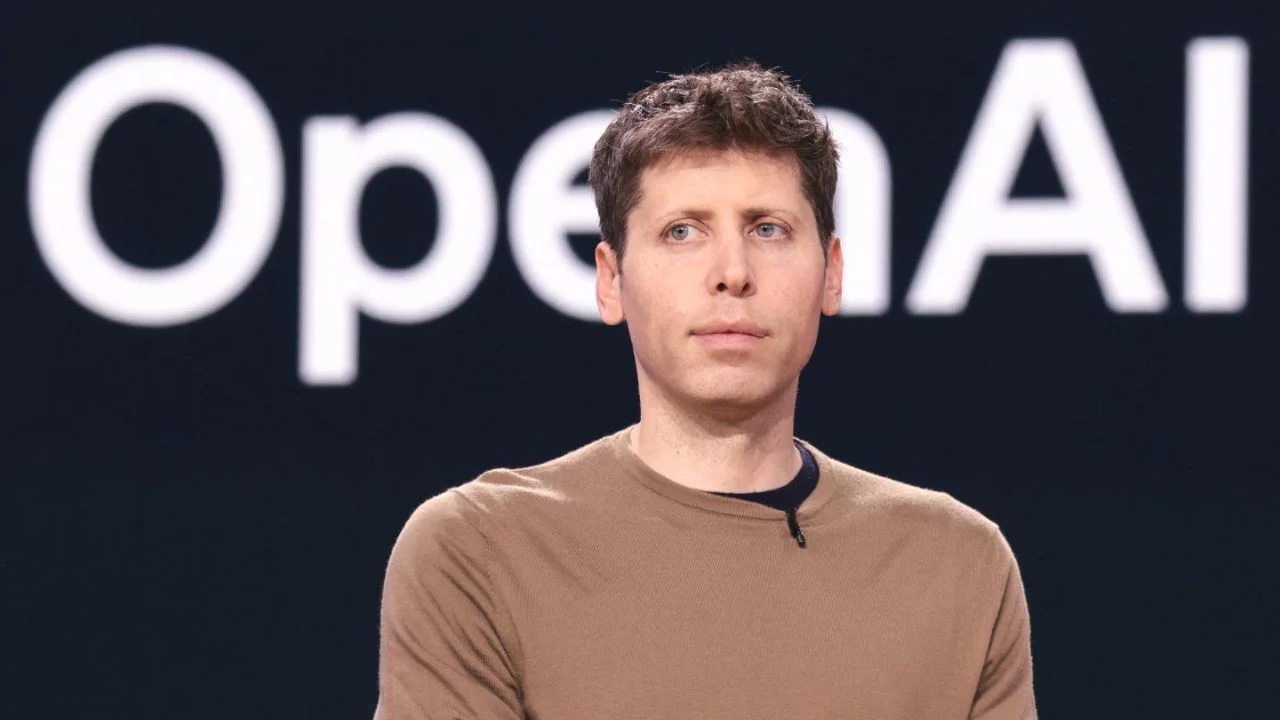
This week, Sam Altman announced that OpenAI is hiring a Head of Preparedness—a role built around one uncomfortable responsibility: obsess over how AI can cause serious harm before it actually does. Not marketing. Not growth. Risk. Mental health. Cybersecurity. Biological misuse. Self-improving systems. The job pays up to $555,000 plus equity, which tells you this isn’t symbolic hiring. This is operational priority.
Here’s the uncomfortable truth: advanced AI systems are already powerful enough to break things we aren’t prepared to fix. Models are starting to surface critical security vulnerabilities faster than defenders can react. Chatbots are being linked to worsening mental health outcomes, from reinforcing delusions to encouraging isolation and harmful behavior. These aren’t future hypotheticals. They’re current incidents.
Altman admitted publicly that AI models are “starting to present some real challenges,” especially around mental health impact and offensive cybersecurity use. The Head of Preparedness role exists to track frontier capabilities, build threat models, and deploy real mitigations—systems that scale, not policy PDFs that collect dust. You can read the full role description straight from OpenAI’s own listing here: https://openai.com/careers/head-of-preparedness-san-francisco/
What makes this move more revealing is timing. OpenAI created its preparedness team back in 2023 to study catastrophic risks. Less than a year later, its previous head was reassigned, and multiple safety leaders exited or shifted roles, as reported by CNBC: https://www.cnbc.com/2024/07/23/openai-removes-ai-safety-executive-aleksander-madry-from-role.html. Now, the company is doubling down again—while openly stating it may relax safety requirements if competitors ship high-risk models without protections. That’s the real tension: safety vs speed, responsibility vs survival.
The mental health angle deserves special attention. Lawsuits allege AI chatbots reinforced paranoia, deepened social withdrawal, and contributed to tragic outcomes. OpenAI says it’s working on better detection and real-world support pathways, but the fact that a senior executive role now centers on these risks says everything. This isn’t about PR damage control. It’s about acknowledging that scale changes consequences.
Altman’s original post is here if you want the raw context: https://x.com/sama/status/2004939524216910323
And this thread adds insight into how seriously internal teams are treating preparedness: https://x.com/jquinonero/status/1934716214473048438?s=20
If you work in AI, this shift matters. If you build products on top of AI, it matters more. And if you think regulation will solve everything, this should reset that belief. The most important AI jobs right now aren’t about building smarter models—they’re about preventing silent damage while those models scale.
For deeper coverage on AI tools, risk frameworks, and what actually matters for builders and businesses, explore related analysis on https://itirupati.com and keep questioning the stories we tell ourselves about “safe by default” technology.
The future of AI won’t be decided by how fast it grows—but by who is paid to worry when everyone else is busy shipping.